
How to Choose the Right Anti-Wrinkle Treatment for Your Skin Type: Expert Guidance on Effective Wrinkle Reduction
Selecting the right anti-wrinkle treatment can be a daunting task, especially with the myriad of options available today. Understanding your skin type is crucial, as it directly influences the effectiveness of various treatments. This article aims to guide you through the process of choosing the best anti-wrinkle treatment tailored to your unique skin needs. We will explore different skin types, the types of treatments available, key ingredients that work effectively, and how to create a personalised skincare routine. By the end, you will be equipped with the knowledge to make informed decisions about your anti-ageing skincare regimen.
Selecting the Best Anti-Wrinkle Treatment for Your Skin Type
Understanding your skin type is the first step in selecting the right anti-wrinkle treatment. Skin types can generally be categorised into four main categories: normal, oily, dry, and combination. Each type has unique characteristics that affect how it responds to various treatments. For instance, oily skin may benefit from lightweight, oil-free formulations, while dry skin often requires richer, more hydrating products. Recognising these differences is essential for effective wrinkle reduction.
How to Identify Your Skin Type for Personalised Skincare Solutions
Identifying your skin type involves assessing various characteristics. Start by observing how your skin feels throughout the day. If it appears shiny and feels greasy, you likely have oily skin. Conversely, if your skin feels tight and looks flaky, it may be dry. Combination skin exhibits both oily and dry areas, while normal skin maintains a balanced appearance. For a more accurate assessment, consider consulting a skincare professional who can provide personalised insights based on your skin’s specific needs.
Why Skin Type Matters in Selecting Anti-Ageing Treatments
The importance of skin type in selecting anti-ageing treatments cannot be overstated. Different skin types respond uniquely to various ingredients and formulations. For example, retinol is often recommended for oily skin due to its ability to reduce excess oil and improve texture, while hyaluronic acid is ideal for dry skin, providing essential hydration. Understanding these nuances allows for a more tailored approach to skincare, ensuring that the treatments you choose will be effective and beneficial.
Which Types of Anti-Wrinkle Treatments Are Best Suited for Each Skin Type?
When it comes to anti-wrinkle treatments, options range from topical products to professional procedures. Each treatment type has its own set of benefits and is suited for different skin types.
Topical Treatments: Creams, Serums, and Peptides Explained
Topical treatments, including creams, serums, and peptides, are often the first line of defence against wrinkles. These products typically contain active ingredients designed to penetrate the skin and stimulate collagen production. For instance, peptides are known for their ability to enhance skin elasticity, making them suitable for all skin types. Creams may be more beneficial for dry skin, while serums, which are lighter and more concentrated, can be ideal for oily skin types.
Professional Options: Botox Alternatives and Chemical Peels
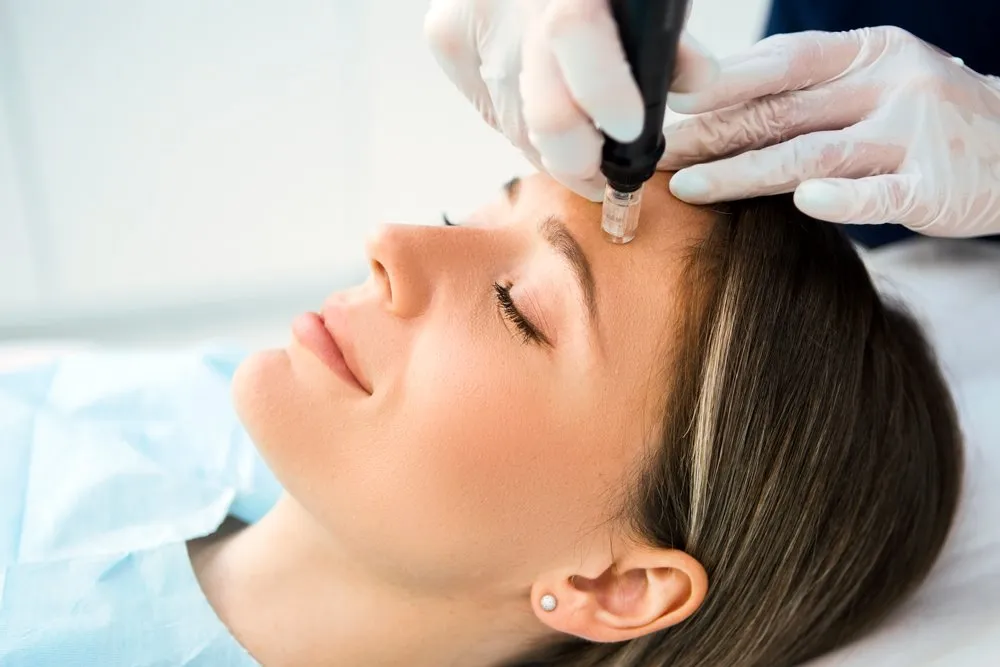
For those seeking more immediate results, professional treatments such as Botox alternatives and chemical peels can be effective. Botox works by temporarily relaxing muscles to reduce the appearance of fine lines, while chemical peels exfoliate the skin, promoting cell turnover and revealing a fresher complexion. These treatments can be tailored to suit different skin types, ensuring that individuals receive the most appropriate care for their specific needs.
How Do Key Ingredients Like Retinol and Peptides Reduce Fine Lines Safely?
Key ingredients play a significant role in the effectiveness of anti-wrinkle treatments. Understanding how these ingredients work can help you make informed choices about your skincare products.
Understanding Retinol’s Role in Collagen Stimulation and Wrinkle Reduction
Retinol, a derivative of vitamin A, is renowned for its ability to stimulate collagen production, which is essential for maintaining skin elasticity and reducing the appearance of fine lines. By promoting cell turnover, retinol helps to improve skin texture and tone, making it a popular choice for those with oily or combination skin. However, it is important to introduce retinol gradually to avoid irritation, especially for sensitive skin types.
Benefits of Peptide-Based Treatments for Sensitive and Ageing Skin
Peptides are short chains of amino acids that serve as building blocks for proteins in the skin. They are particularly beneficial for sensitive and ageing skin, as they help to improve skin barrier function and enhance hydration. Peptide-based treatments can stimulate collagen and elastin production, leading to firmer, more youthful-looking skin. These treatments are often well-tolerated, making them suitable for a wide range of skin types.
Choosing anti-wrinkle creams with key ingredients like retinoids, peptides, and hyaluronic acid can make a noticeable difference, but effectiveness varies with individual skin types.
What Are the Best Anti-Ageing Skincare Products for Sensitive Skin?
Sensitive skin requires special consideration when selecting anti-ageing products. The right formulations can minimise irritation while maximising results.
Gentle Formulations That Minimise Irritation and Maximise Results
For sensitive skin, it is crucial to choose gentle formulations that avoid harsh chemicals and fragrances. Look for products containing soothing ingredients such as aloe vera, chamomile, and calendula. Additionally, formulations with hyaluronic acid can provide hydration without causing irritation. Brands that focus on sensitive skin often offer products specifically designed to address the unique needs of this skin type, ensuring effective anti-ageing benefits without discomfort.
How to Choose Products That Support Skin Hydration and Elasticity
Hydration and elasticity are key factors in maintaining youthful skin. Selecting the right products can significantly impact your skin’s appearance and health.
Choosing the Right Ingredients for Optimal Hydration
When selecting products, prioritise those that contain humectants like glycerin and hyaluronic acid, which draw moisture into the skin. Additionally, look for emollients such as shea butter and squalane, which help to lock in hydration and improve skin texture. Avoid products with alcohol or other drying agents, as these can exacerbate dryness and irritation.
How to Create a Skin Type Specific Anti-Wrinkle Routine for Optimal Results?
Creating a skincare routine tailored to your skin type is essential for achieving optimal results in wrinkle reduction.
Step-by-Step Guide to Selecting and Applying Treatments Based on Your Skin Type
- Identify Your Skin Type: Assess your skin’s characteristics to determine whether it is oily, dry, combination, or sensitive.
- Choose Appropriate Products: Select treatments that align with your skin type, focusing on ingredients that address your specific concerns.
- Establish a Routine: Incorporate products into your daily regimen, applying them in the correct order—cleanser, toner, treatment, moisturiser, and sunscreen.
- Monitor Your Skin’s Response: Pay attention to how your skin reacts to the products and adjust your routine as needed.
Combining At-Home Solutions with Professional Care for Lasting Benefits
Integrating at-home treatments with professional care can enhance the effectiveness of your anti-wrinkle regimen. For instance, using a high-quality retinol serum at home can complement professional treatments like chemical peels, providing a comprehensive approach to skincare. Regular consultations with skincare professionals can also help you stay informed about the latest advancements in anti-ageing treatments.
What Common Questions Should You Ask When Choosing Anti-Wrinkle Treatments?
When selecting anti-wrinkle treatments, it’s important to ask the right questions to ensure safety and effectiveness.
How to Evaluate Treatment Safety and Effectiveness for Your Skin
Consider the following questions:
- What are the active ingredients? Understanding the components of a product can help you assess its suitability for your skin type.
- Are there any potential side effects? Inquire about possible reactions, especially if you have sensitive skin.
- How long will it take to see results? Setting realistic expectations can help you gauge the effectiveness of the treatment.
When to Consult Experts for Personalised Anti-Ageing Advice
Consulting with skincare professionals can provide valuable insights tailored to your specific needs. If you experience persistent skin issues or are unsure about which products to choose, seeking expert advice can help you navigate the vast array of options available. Professionals can recommend treatments based on your skin type and concerns, ensuring you receive the most effective care.
To further enhance your skincare journey, consider exploring resources like “The Beauty Haven” for a curated selection of products and expert advice.
For personalised assistance and expert guidance, you might want to “contact” skincare professionals who can offer tailored recommendations.
For more information or to get in touch with skincare experts, visit “The Beauty Haven contact page”.